In this post:
Through years of experimenting in my kitchen, I have learned many tips and tricks that help elevate meals to another level. Seasoning throughout the cooking process, adding fresh herbs at the end, or even the brand and type of knife being used can make a huge difference. One thing remains constant that I no longer budge on: the quality of the ingredients. The importance of cooking with high quality ingredients matters more than one would think. Using high quality ingredients versus average or low quality ingredients can drastically improve the outcome. I used to cut all kinds of corners trying to make “average” ingredients work in recipes, only to be let down by the end result.
The trial and error of the cooking with low vs high quality ingredients
I eventually lost count of the number of times I recreated a dish in my kitchen I tried the weekend before in a gourmet restaurant that ended up being a total flop and didn’t come close to the original. Not to mention the number of times I would look up from a botched version in complete disgust at the amount of money I wasted and the pile of dirty dishes in the sink waiting to be cleaned. All I could think was, “I should have just saved myself the time and hassle and ordered takeout for the same amount of money.” Oh, and, “it would have tasted better, too!”
But where is the fun in that? If you’re a home cook then you know and feel the excitement of a cooking challenge. You might immerse yourself in the creative process of gathering the ingredients, reading (or creating) a recipe, and getting your hands dirty in the mess that is sure to reward you with the first bite. I’m a realist, however, and I know that replicating your favorite meal can be a lot of trial and error.

For a long time I wondered why this was so difficult to do. Aside from not being a specially-trained chef, I didn’t always have the time or budget to spend on elevating food. I also didn’t realize that restaurants use a lot of salt to enhance the flavors of their food, in addition to using high quality ingredients. There are several other things that play a factor, but the big one that I feel makes the biggest difference in the taste of a dish is the quality of the ingredients used to make it.
What makes these high quality ingredients special?
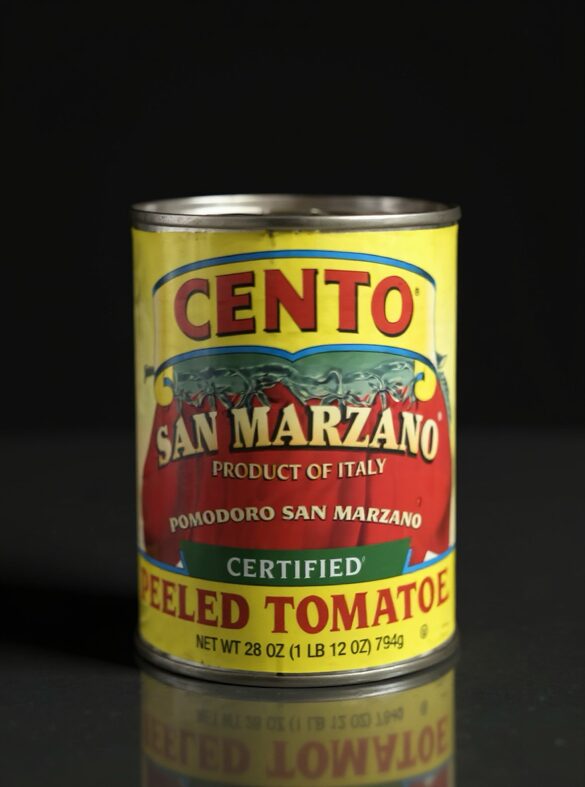
Each ingredient plays a crucial role in setting the dish apart from its average version, some more so than others. San Marzano tomatoes, for example, are far superior in taste than the average big box name or store brand. The perfect balance of acidity and sweetness due to the nature of the soil they are grown in truly gives them a remarkable flavor. I have tested recipes using a variety of name- and off-brand canned tomatoes, and my favorite remains San Marzano.
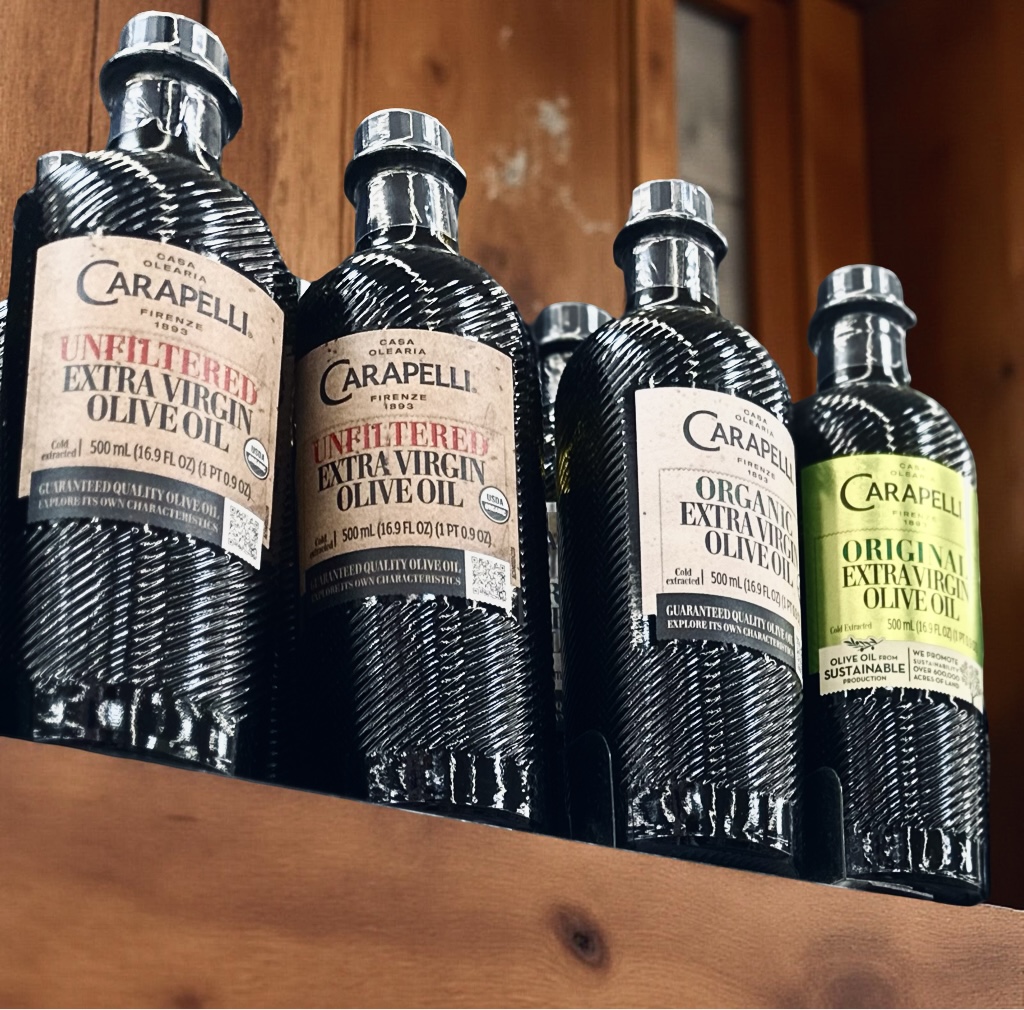
Another example is extra-virgin olive oil (as opposed to “pure” or “light” olive oil). The best extra-virgin olive oil looks and tastes green, earthy, and peppery. Its faux counterpart tastes dull and can even smell rancid when gone bad, with a taste similar to crayon wax. Parmigiano Reggiano cheese is another one with a flavor that takes a dish a very long way. Authentic Parmigiano Reggiano is made with high quality ingredients, milk and years of aging that yields a nutter, earthier, sharper flavor that other Parmesan products are lacking.
High quality ingredients: the premium pantry staples list
Since I’m on a never-ending mission to find the best versions of high quality ingredients and other food products and kitchen basics, I put together a list of 10 pantry staples from various brands that, in my opinion, boast superior quality.
This list includes more expensive versions of staple high quality ingredients, as well as a budget-friendly alternative for each. I hope you find these options as flavorful as I do, and that they make all the difference in your recipes. Let me know your thoughts in the comments below. Happy cooking!